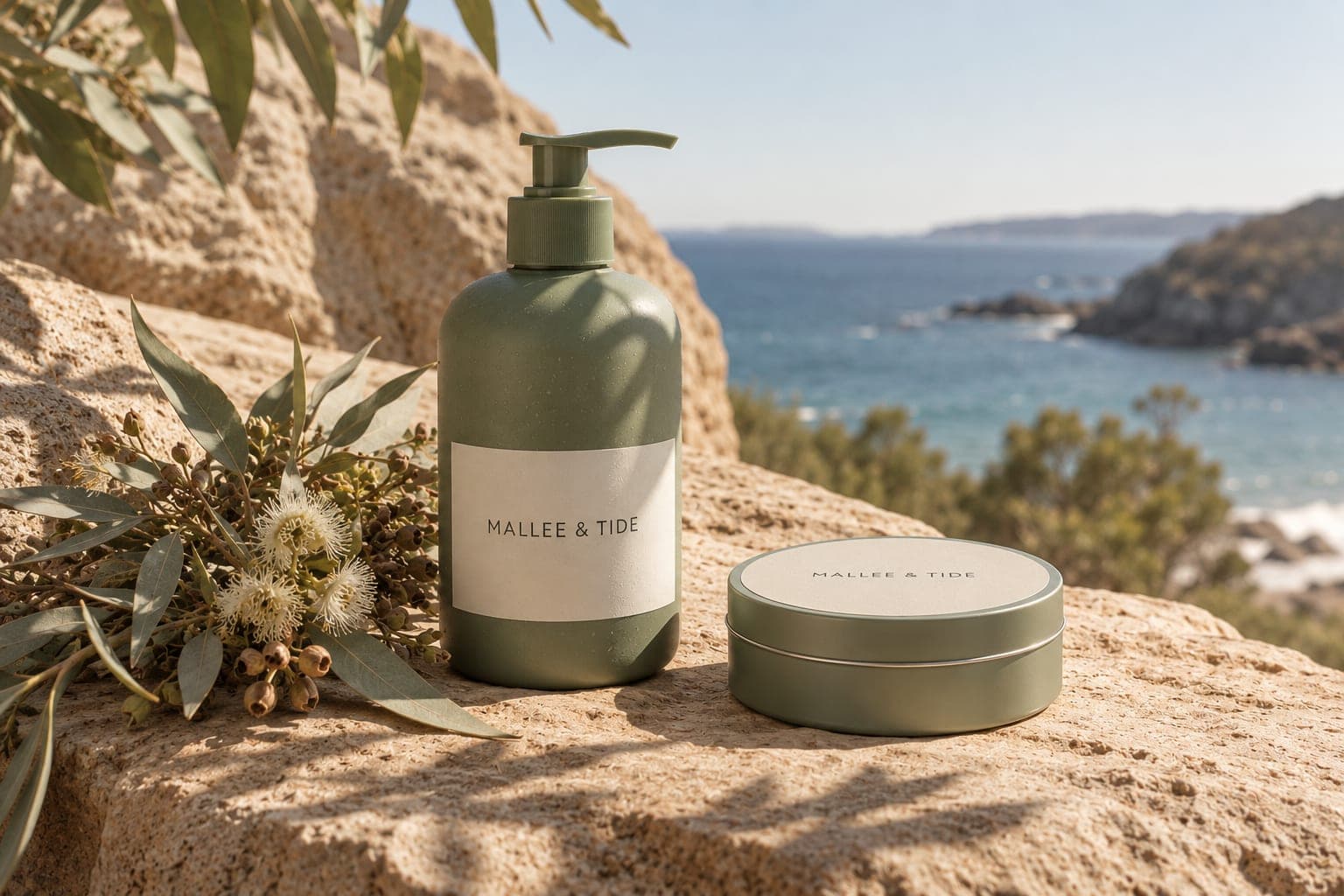
FIG. 01MALLEE & TIDE — BODY CARE
CONCEPT STUDY
Mallee & Tide
Does “Australian native botanicals” mean anything to a shopper in the world's most crowded beauty market?
- CLIENT
- Fictional brand — concept study
- ORIGIN
- Australia
- CATEGORY
- Body care
- SCOPE
- Korea Entry Assessment
- YEAR
- 2026
An Adelaide body-care brand formulating with saltbush, Kakadu plum and lemon myrtle, sold through pharmacies and lifestyle retailers in Australia and New Zealand.
THE SUMMARY EDITION · IN ENGLISH
01THE QUESTION
Do Australian native botanicals carry weight with Korean shoppers — and is body care a less crowded way in than face care?
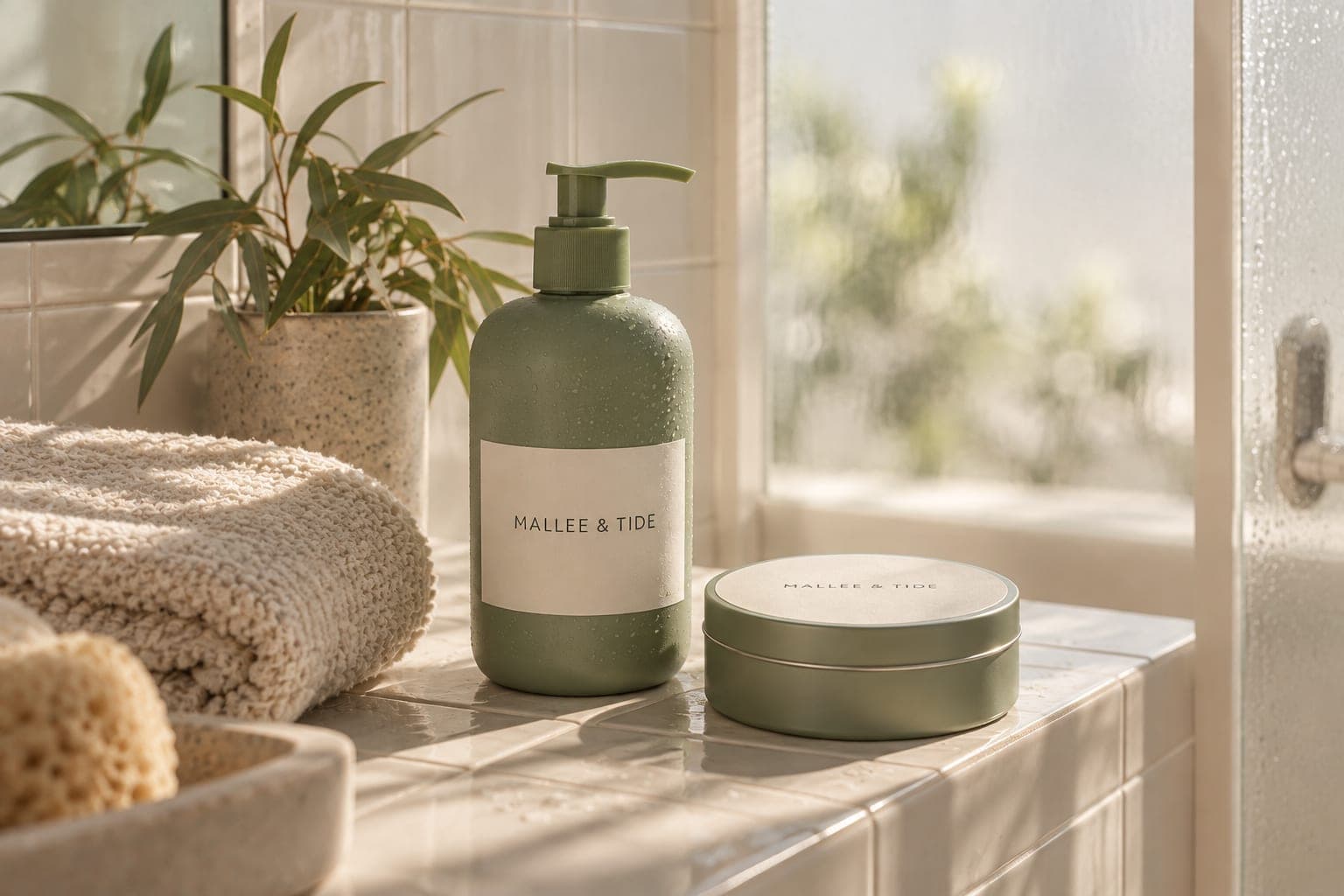
FIG. 02SEOUL — A MORNING BATHROOM
02WHAT WE FOUND
- CONFIRMED
The brand arrives with a clear proposition: Australian native-botanical body care, with a defined range, a named origin, coastal simplicity and refillable packaging.1
- INFERENCE
Natural, clean and sustainable language puts the brand in familiar territory. The distinction may come from the combination of origin, specific botanicals and refill — if they connect to clear benefits.
- HYPOTHESIS
Keep the ingredient names, but test whether use, scent, feel and substantiated benefits need to come first. Ingredient names alone may not communicate trust or efficacy.
- HYPOTHESIS
Refill needs to be practical to count: the refill route, the price difference and the steps. Otherwise it reads as a general sustainability claim rather than a reason to buy.
03POSITIONS STILL OPEN
We did not pick a position the evidence cannot yet support. These stay open until the tests below separate them.
- 01HYPOTHESIS
Australian daily ritual
Position Mallee & Tide as everyday body care shaped by Australian native botanicals, coastal simplicity and specific sensory product experiences.
- 02HYPOTHESIS
Origin-led botanical care
Lead with the origin and story of saltbush, Kakadu plum and lemon myrtle, then connect each ingredient to scent, feel and substantiated product value.
- 03HYPOTHESIS
Refillable coastal care
Make refillable packaging the central reason to choose the brand, supported by a clear and convenient repeat-purchase system.
04WHAT WE COULD NOT ANSWER
- UNKNOWN
Whether Korean shoppers recognise or trust saltbush, Kakadu plum and lemon myrtle at all.
- UNKNOWN
Whether body care is actually less crowded than face care in Korea — the material does not establish comparative density.
- UNKNOWN
How “coastal simplicity” and Australian origin will read: relevant, or merely decorative.
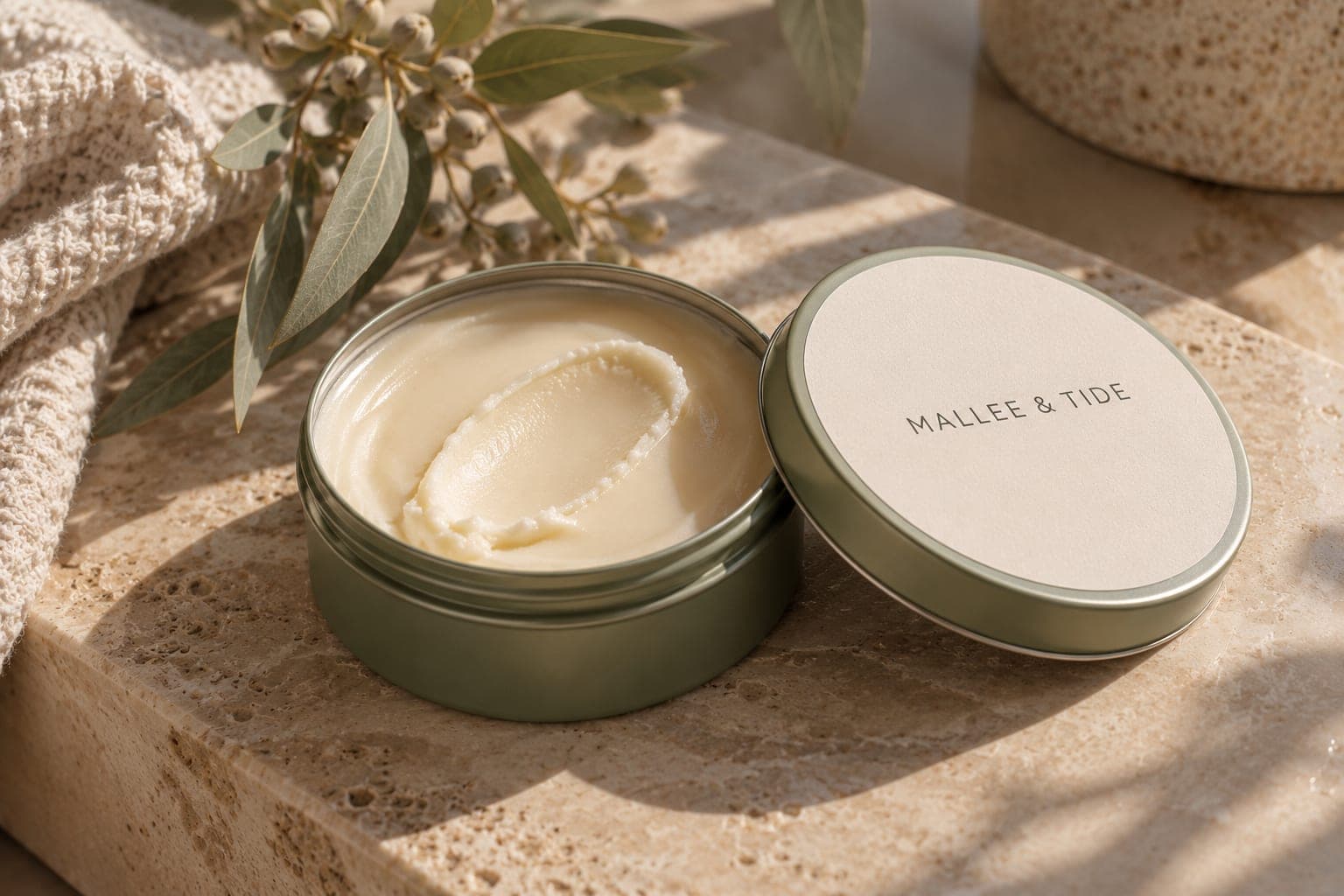
FIG. 03DETAIL — THE BALM
05WHAT WE WOULD TEST FIRST
- 01
Interview five to eight Korean body-care buyers aged 25–40, comparing an ingredient-led and a use-led message.
- 02
Build a Korean body-care competitor and price map covering real brands, sizes, prices and claims.
- 03
Run a landing-page test: origin and coastal lifestyle versus use, feel, benefit and refill.
- 04
Test refill routes and pricing, and review responsible-seller and labelling requirements with local partners.
CONCEPT STUDYMallee & Tide is a fictional brand, invented to show the work. The assessment is real: our standard process, run end to end, with its labels and unknowns left as they came out.
06SOURCES
- 1
The brand's own brief — written for this concept studyFictional brand input, not a market source
NEXT
Vidde
SWEDEN · OUTDOOR APPAREL
NEXT ENTRY
If Korea is your next market, start with what can be known.